
From June 15 through July 20, Compass ran across Google, Meta, and geofenced venues throughout Miami, reaching World Cup attendees and international UHNW buyers.
During the World Cup, Miami followed the tournament everywhere: reading the coverage, scrolling match highlights and reactions, and moving through the city to matches, watch parties, and the venues where fans gathered.
Display, Meta, and geofencing each met Miami in one of those moments, so together the channels put Compass in front of Miami again and again through the tournament, at a fraction of the cost of other advertising.
The targeting was built around Miami's World Cup buyer: international travelers searching World Cup hospitality suites and private jet charters, browsing five-star hotel suites and Michelin-starred reservations, and reading the luxury press from Robb Report to Mansion Global.
A handful of search terms, websites, apps, and addresses were used as online behavioral signals to reach the Miami World Cup buyer. They reflect targeting, not delivery.
Map search behavior only, not geofenced locations.
These are the publications Miami's highest-income households and visitors consumed during the tournament.
The New York Times and ESPN alone carried over 250,000 ad appearances, and on The New York Times, 1.05% of the people who saw the ad clicked it. The luxury lifestyle titles on the list, Vogue, Architectural Digest, Condé Nast Traveler, Vanity Fair, and Ocean Drive, drew minimal delivery, a gap the 2027 recommendations address.
Meta ran across Facebook and Instagram for five weeks, reaching 40,599 profiles who each saw Compass nearly twice, on average.
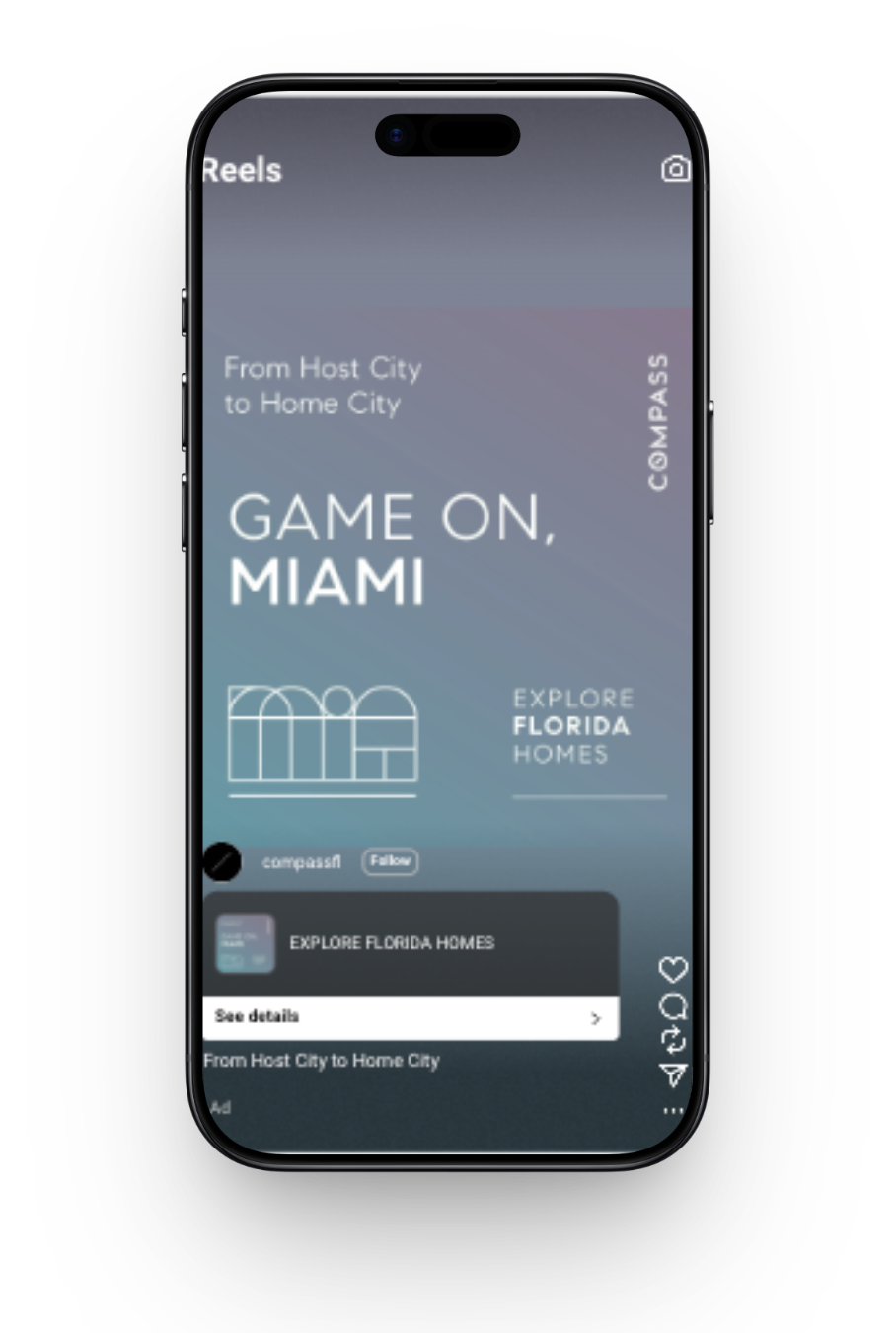
The “Game On, Miami” ad, as it ran on Meta.
Story and Reels clicks are placement-level, where inside Meta's apps the ad was seen and tapped, so together with Feed and other placements they make up the campaign's 1,102 clicks to the curated collection.
Geofencing is the campaign's precision play. Display and Meta meet buyers online; geofencing starts with where buyers go offline.
Compass captured World Cup attendees at these affluent hotspots as they moved through the city. Bubble size and color both reflect ad appearances per venue. The bigger and deeper the violet, the more Compass ads reached buyers at that venue.
For luxury real estate geofencing, healthy awareness ranges between 0.10% and 0.25%. Anything above that range shows strong engagement from that target address. The Setai hit 0.16% and Four Seasons Palm Beach reached 0.55%, both inside or above that range.
Hard Rock Stadium alone carried 9,555 ad appearances, more than half of every geofencing appearance the campaign earned, with Fontainebleau Miami Beach, the Four Seasons at The Surf Club, and Bal Harbour Shops rounding out the top venues by reach.
"From Host City to Home City" earned the most clicks in the campaign, 1,944 across both formats. "Game On, Miami" matched its engagement rate on a fraction of the appearances.
Compass national benchmark is 0.20%. The top three creatives each cleared the 14,000 ad appearance sample threshold.
| Tagline | Format | Ad Appearances | Clicks | Engagement Rate | |
|---|---|---|---|---|---|
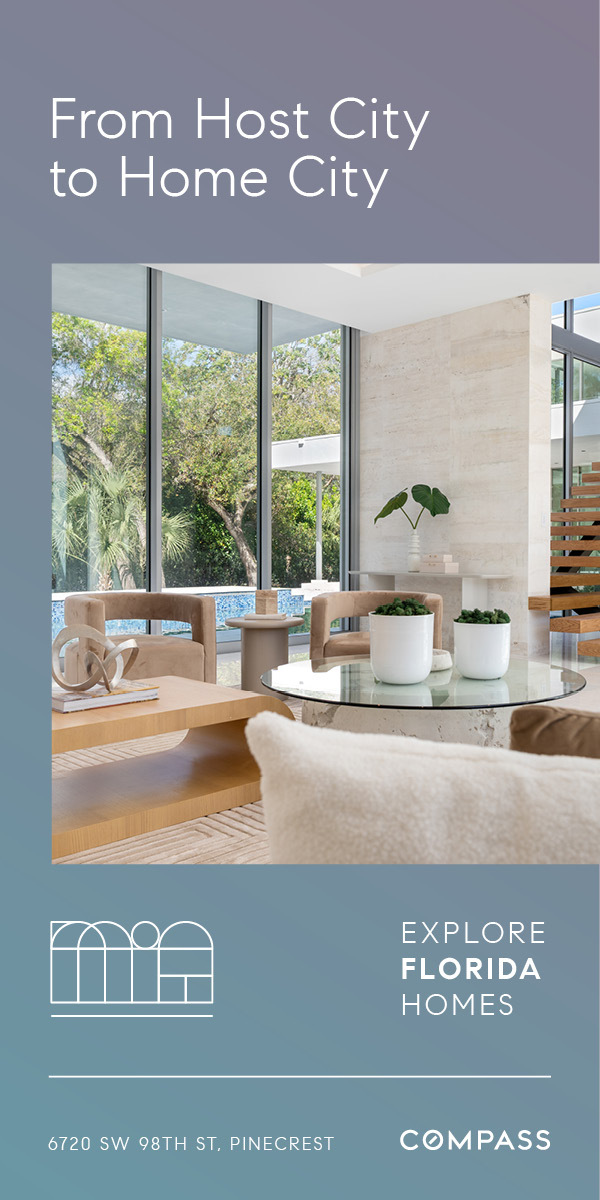 |
From Host City to Home City | Vertical (600×1200) | 142,916 | 1,399 | 0.98% |
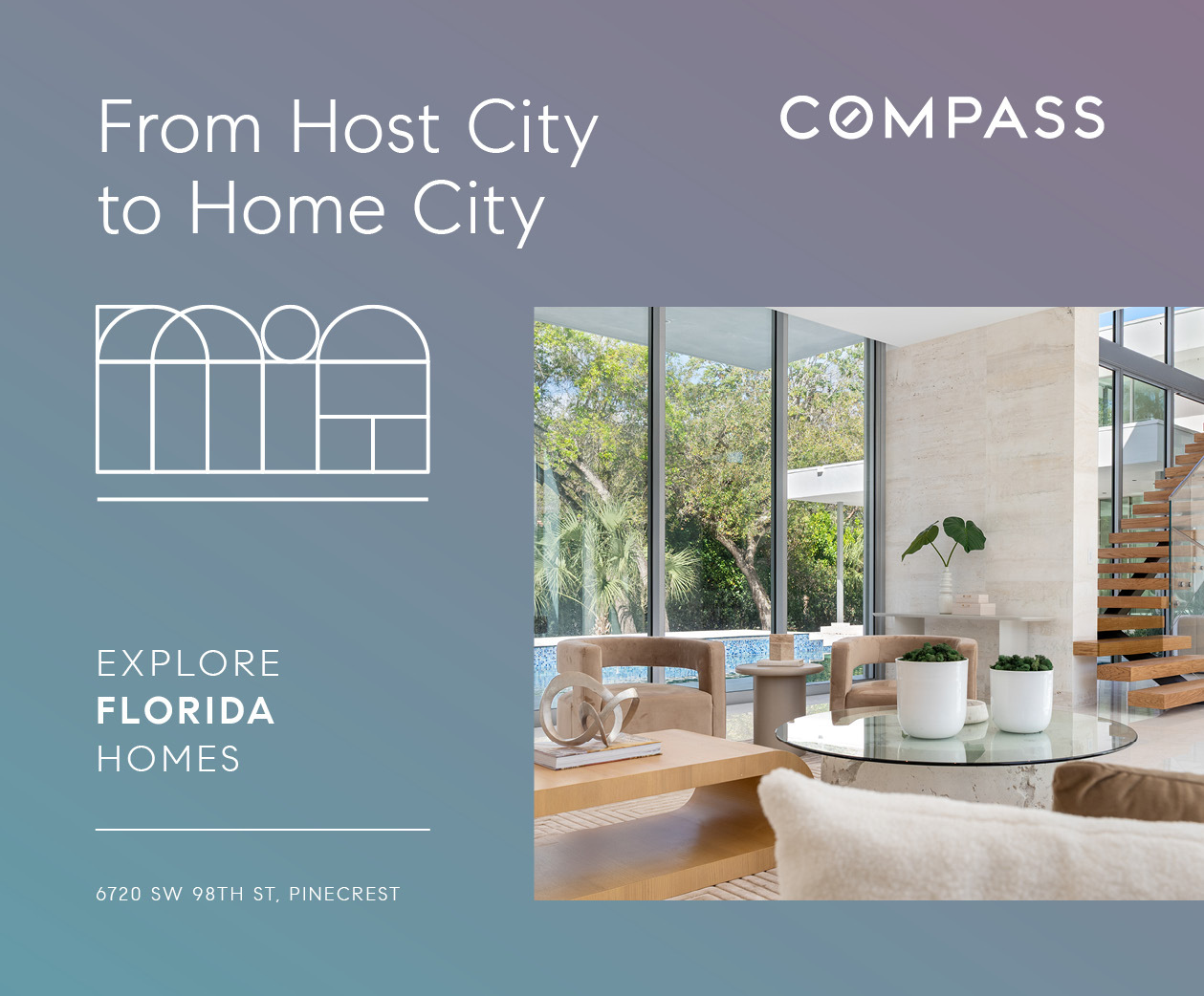 |
From Host City to Home City | Standard (600×500) | 76,806 | 545 | 0.71% |
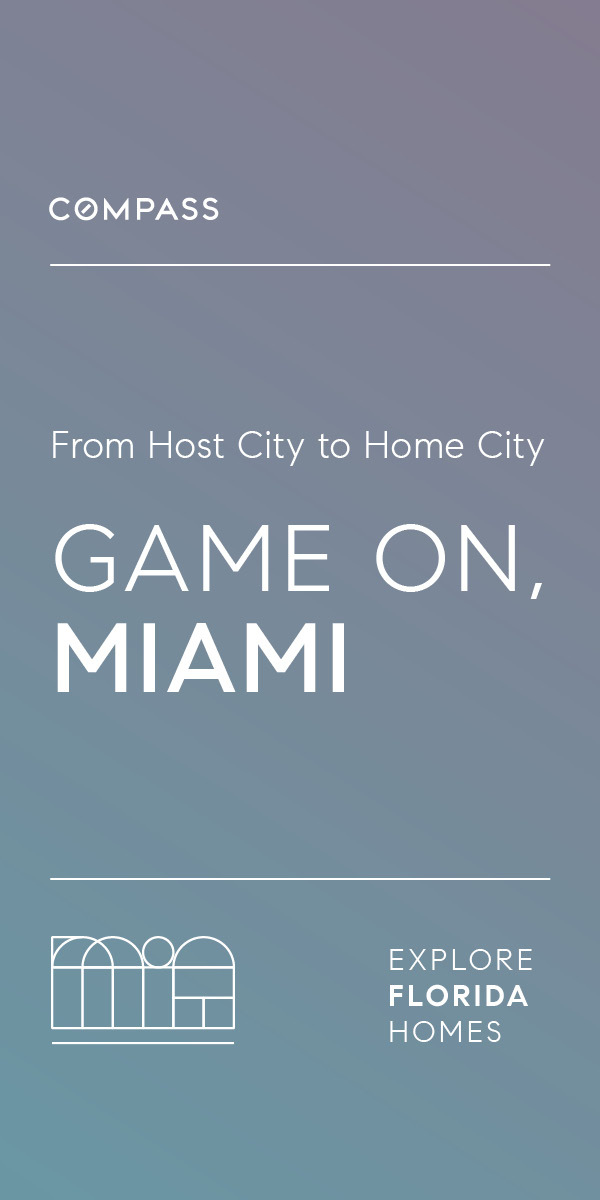 |
Game On, Miami | Vertical (600×1200) | 32,445 | 322 | 0.99% |
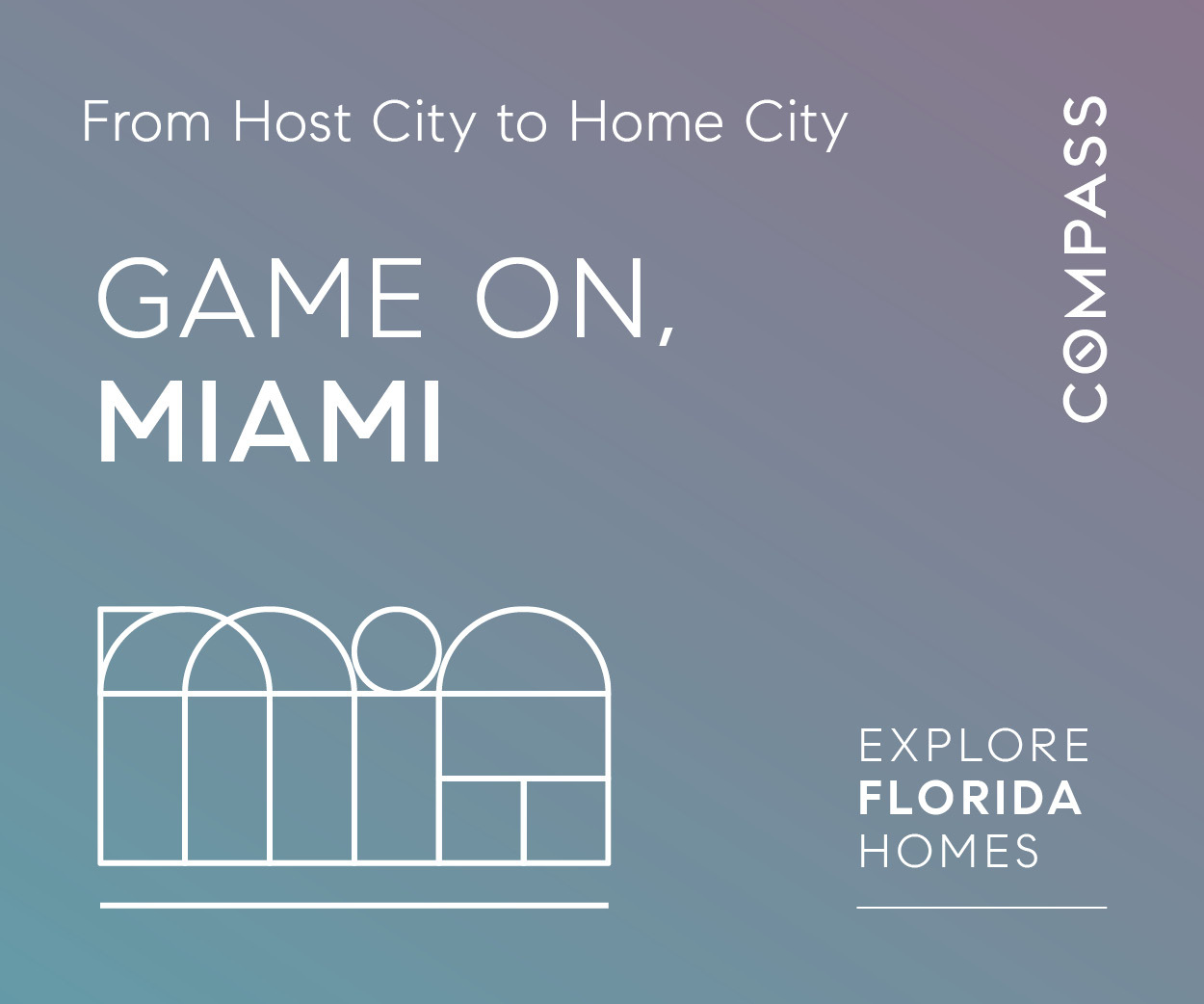 |
Game On, Miami | Standard (600×500) | 6,710 | 47 | 0.70% |
As the tournament brought international wealth to South Florida, luxury brokers reported a surge of interest from overseas buyers eyeing...
Pinecrest, Coral Gables, and the barrier islands drew the most attention, agents said, as buyers looked to turn a week in Miami into a permanent address...
Both vertical creatives cleared a 0.98% engagement rate, while their standard counterparts landed near 0.70%. The taller format takes up more of the page and held attention as Miami buyers scrolled.
"From Host City to Home City," anchored by the Pinecrest listing, drove 1,944 of the campaign's 2,313 Display clicks. "Game On, Miami" matched its engagement rate, a sign the brand line resonates, but the real address closed the click.
The vertical listing creative carried both the volume and the clicks this year: 142,916 ad appearances and 1,399 clicks at a 0.98% engagement rate.
A 2027 build should lead with this line, developing variations across additional Miami listings and both formats.
Concentrate the list on news and sports.
The luxury lifestyle publications, Vogue, Architectural Digest, Condé Nast Traveler, Vanity Fair, and Ocean Drive, competitively price inventory, so lower cost sites like The New York Times and ESPN delivered more appearances.
A more news and sports-focused list concentrates the budget where it can win the bidding war for ad placements.